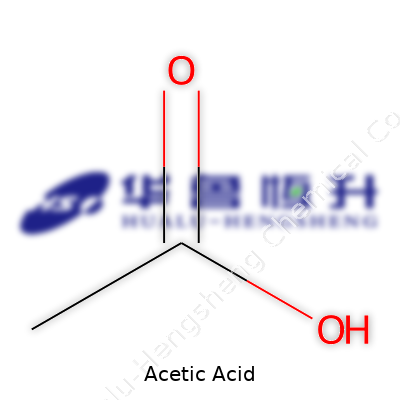
Acetic acid’s story runs deep through the development of chemical manufacturing. Working in this industry, you learn just how many technologies owe part of their existence to this chemical. Early vinegar fermentation provided humanity’s first taste of acetic acid, with recorded uses stretching back to ancient civilizations. Synthetic production began to shape up in the industrial revolution. Kolbe’s electrochemical synthesis appeared over a century ago, and the pace only increased from there. The invention of the Monsanto and later the Cativa process let plants produce acetic acid on scales that met global demand for plastics, fibers, and solvents. This lineage pays off every day across our facilities, where process reliability and material stewardship build on decades of technical progress.
Every day on the plant floor, acetic acid rolls straight from reactors and distillation towers into tanks destined for downstream transformation. This compound never stays in one place for long. Textile producers count on it for synthesizing cellulose acetate fibers and films. Pharmaceutical manufacturers need reliable batches free from byproduct contamination. Paint, food, agricultural chemicals, and even photography all make regular calls for fresh supply. The compound’s versatility supports a global supply backbone that drives commerce and innovation beyond the laboratory.
There’s nothing glamorous about glacial acetic acid’s colorless, corrosive, and strongly pungent presence. A keen focus on specific gravity, water content, and freezing point underpins plant safety and downstream product performance. Acetic acid’s boiling point just above 118°C gives operators a manageable window for fractional distillation and drying. Keeping impurities like acetaldehyde and formic acid in check during production upholds customer processes, whether those involve polyester resin alkyds or food preservatives. As a chemical manufacturer, tight control over composition isn’t just regulatory—it’s demanded by customers who rely on these properties for their own manufacturing.
Batch-to-batch uniformity stems from gas chromatography methods, Karl Fischer titration, and precise density measurements. Our team reviews every shipment against detailed specifications—purity, color in Hazen units, water content to the nearest tenth of a percent, and acid value—all regularly audited. Hazard communication and labeling regulations guide every drum and tank that leaves the plant. With flammable and corrosive warnings, UN coding, and documentation, safe usage doesn’t end at the gate; it’s a partnership with downstream manufacturers and distributors. Responsibility extends from the plant floor to the end application, with careful stewardship against leaks or improper storage.
For decades, methanol carbonylation has anchored most large-scale acetic acid production—CO and methanol combined in the presence of a rhodium or iridium catalyst. Plant operators keep an eagle eye on temperature and pressure to optimize conversion and minimize byproduct formation. Solvent extraction and distillation polish the crude product into pharmaceutical and food grades. Biological fermentation of ethanol remains valuable in smaller batch operations, serving local needs for food-grade or specialty uses. Our investment in heat integration and waste minimization shows up in energy consumption and resource conservation across every production run.
Acetic acid sits at the crossroads of synthesis. It acetylates cellulose and polyvinyl alcohol for film production. Reactions with alcohols make esters like ethyl and butyl acetates, indispensable for coatings and adhesives. Carboxyl group reactivity supports vinyl acetate monomer production, the starting material for thousands of tons of industrial and consumer plastics every year. Employees in analytical labs monitor reaction byproducts, feeding data back to process engineers who tweak reactor conditions for yield and selectivity. Each pathway opens up new product classes, broadening the reach and relevance of the chemical.
You hear a variety of names for the same molecule: acetic acid, ethanoic acid, glacial acetic acid for the pure form, vinegar acid in old catalogs. These trade names can sometimes blur regulatory interpretation on shipping documents or global registration, so consistent nomenclature forms part of professional diligence, especially when supporting regulatory requirements across regions.
Handling acetic acid means never getting complacent. Storage tanks require robust ventilation, spill containment, and corrosion-resistant materials for valves and transfer lines. Operators rely on chemical-resistant PPE—gloves, face shields, aprons—deployed as routine, not afterthoughts. Acid vapors in confined spaces test the limits of respiratory protection, so sensors and ventilation backups come standard. Emergency response drills and near-miss reports build team awareness, reducing risk of chemical burns or inhalation accidents. Our plants operate with a constant focus on process safety management, rigorously documented and enforced through ongoing workforce training.
Across the globe, industries trust acetic acid for an astounding range of uses. Textile workers convert it into fibers for clothing, furniture, and industrial filters. Plastic and paint companies turn acetic acid into esters and polymers that grace automotive finishes and architectural coatings. Food producers lean on the acid for flavoring agents and as a preservative, benefitting from a proven record of safety when handled correctly. In agriculture, acetic acid derivatives activate herbicides and plant hormones. Each batch drives innovation further, as customers push into new materials and market demands shift.
Research teams within manufacturing plants constantly evaluate catalyst improvements, alternative feedstocks, and tighter purification strategies. Exploration of bio-based routes—from biomass fermentation to new enzymatic methods—aims at reducing carbon footprint and energy consumption. Integration of digital sensors and process analytics supercharges efficiency, trimming downtime and catching deviations early. Collaborations with universities and research consortia yield new possibilities such as catalyst recycling or energy recovery systems, making large-scale production more sustainable and cost-competitive. Innovation on the production floor nudges the industry toward smarter, cleaner manufacturing.
Worker safety hinges on a detailed understanding of acetic acid’s health effects. Acute exposure to high vapor concentrations causes irritation in the eyes, nose, throat, and airways. Direct contact with concentrated acid corrodes skin and mucous membranes. Chronic, low-dose exposure raises questions about respiratory health and occupational limits. Every worker receives thorough training on spill response, first aid, and correct reporting of exposures. Detailed medical surveillance and air quality monitoring form routine tasks for our on-site health staff. Operating with respect for the material and its hazards sustains both compliance and trust within our team and community.
Ever-increasing global demand for performance materials keeps pressure on acetic acid supply reliability and environmental impact. Regulatory trends push the industry toward lower emissions, greener chemistry, and circular waste strategies. Increased focus on renewable feedstocks—either biomass-derived ethanol or captured carbon—offers promise, but commercial-scale economics and supply chain stability still challenge widespread adoption. Automation, digitalization, and connected plants will reshape manufacturing practices in the coming decade. Through close collaboration across the value chain, continued technical training, and a willingness to innovate, chemical manufacturers have real potential to deliver on performance, safety, and sustainability in acetic acid production for generations to come.
At our chemical plant, we see acetic acid every day, not as a mysterious molecule, but as a dependable workhorse. On the production floor, its pungent vinegar-like smell is unmistakable. Each ton leaving our gates helps to drive countless industries worldwide. We watch tankers roll in and out with this clear liquid because it keeps factories running, shelves stocked, and homes cleaner.
One of the main uses we supply acetic acid for is the creation of vinyl acetate monomer. This chemical forms the base for polyvinyl acetate, found in adhesives, paints, and coatings. Without steady supplies of acetic acid, a construction company can't build new homes efficiently, packaging lines might halt, and workshops would run short on strong glues. Our staff tracks purity at every step to support essential markets that use these adhesives by the tens of thousands of tons each year.
Pharmaceutical producers often request high-purity acetic acid for building active ingredients and intermediates. The same industrial batches that move through our reactors can wind up in medicines treating infections and managing chronic disease symptoms. Strict process control earns trust and keeps our partners returning. Food-grade acetic acid also leaves our plant. In pickles, sauces, condiments, and vinegar, it preserves freshness and enhances flavors. The journey from our reactors to someone’s dinner table begins with careful selection of raw materials and clean equipment.
Textile makers source acetic acid in large lots, using it to make cellulose acetate fiber. This fiber finds its way into lining fabric, movie film base, and cigarette filters. Only through consistent batch quality can we supply what these applications demand. Solvent production depends on us, too. Acetic anhydride, a key acetylating agent, starts with acetic acid. Downstream, it enters industries making everything from pharmaceuticals to plastics.
Municipal water treatment professionals order acetic acid to help adjust pH and remove unwanted minerals. Each truckload helps provide safe drinking water for cities. Large-scale cleaning product companies prize acetic acid for descaling and degreasing. These solutions break up grime on everything from kitchen surfaces to industrial boilers. The effect comes down to reliable production, consistent quality, and prompt delivery, day in and day out.
Acetic acid production is energy-intensive and demands strict pollution control. We often discuss minimizing waste in our internal meetings. Investing in modern reactors that use less energy helps both the environment and our bottom line. Improved recycling within our facility reduces raw material consumption. When customers raise concerns about environmental impact, we know the conversation is grounded in daily realities. In response, we scale up pilot projects for greener production routes, like biobased acetic acid. Progress here takes practical solutions, not buzzwords.
Years of hands-on experience have shown our team that acetic acid isn't just a chemical feedstock. Its reach goes from adhesives in a school project to life-saving pharmaceuticals and everyday foods. We recognize its importance firsthand, and we work every shift to deliver the reliability the world expects.
Acetic acid turns up everywhere across food processing, textile, and chemical industries. On the production floor, we see that its sharp odor and biting vapor mark it out as a chemical that demands respect, no matter how familiar it feels. In the concentrated form, it can burn skin, damage eye tissue, and produce coughing fits if you get too close to the fumes. At the same time, diluted right, the same substance seasons food. Real safety doesn’t come from rules written on a website or a wall. Everyday protection comes from habits, teamwork, and paying attention to details.
Over time, experienced workers sometimes relax when handling acetic acid, especially during pump changes or transfer operations. A small splash or vapor cloud won’t send you to the hospital, but it teaches a quick lesson about staying alert. The real danger lies in failing to respect routine. Splashes happen. Labels fade. Sometimes, storage drums show condensation, making leaks tougher to spot. Gloves worn all week may develop tiny holes that nobody notices right away.
Standard industrial gloves, goggles, and thick aprons remain the front line during mixing, sampling, and transfer. Splash-proof goggles and full face shields make a difference: acid in the eye creates lifelong consequences. In our facility, rubber boots protect against accidental puddles. Negative pressure respirators, or at least vapor masks, stay within reach during bulk tank operations. Each piece matters, not for inspections, but for sending everyone home safe at the shift’s end.
Good ventilation ranks high. In enclosed bottling lines or small tank farms, extraction hoods above transfer points suck up fumes before workers breathe them. Neutralization stations—simple eyewash fountains and water drench hoses—must always be clear and working. On our lines, checklists for drum connections and valve changes exist because repetition makes errors more likely, not less. The same holds for clearly labeled containers, color-coded pipelines, and visible hazard signage.
In our experience, the fastest response springs from training, not manuals. Every worker handling acetic acid gets familiar with absorbent socks, neutralizing powders, and spill pads. Small leaks get cleared by workers who know how the acid behaves, especially on wet floors or hot surfaces. Larger spills demand quick evacuation and professional clean-up, so drills stay crucial.
Safety standards never stand still. Regulatory changes and customer audits prompt new controls and updated equipment all the time. Practical training keeps pace, but so does peer support. If a valve starts hissing or you smell strong sharpness, speaking up and stopping the line takes priority over schedule. Good manufacturers give everyone the authority to put safety first—no matter how tight the order book looks. Real experience with acetic acid proves that preparedness and solid gear matter as much as chemistry when you’re aiming to stay safe.
Every day in our facility, measuring and maintaining the concentration of acetic acid takes up more real estate on the lab bench than just about anything else. There’s nothing glamorous about titration or calibrating meters; it’s repetitive, but it sets the foundation for every shipment we send out. Questions about concentration usually come from the sharpest buyers, and they’re on to something. Concentration isn’t just a number; it’s about making sure the product actually performs in a dyehouse, in a food plant, or anywhere customers put it to work.
You’ll hear “glacial” and “industrial” and “dilute” thrown around when talking about acetic acid. Those words don’t mean much without solid lab work behind them. In our production, concentration for acetic acid runs on a tight leash. For glacial grade, we target above 99 percent by mass; single-circuit distillation and careful storage get us there. For solutions like 10 percent or 20 percent, we rely on high-purity water, glass-lined tanks, and routine batch checks to nail the numbers. Periodically, outside labs back up our readings, as accuracy keeps mistakes off invoices and ensures that no one downstream needs to compensate for a weak batch.
Imagine a textile plant adjusting formulas for dyeing. Too much acid, and fibers degrade or colors shift. Not enough, the dye won’t take. Across thousands of gallons, tiny errors in concentration can mean wasted product, lost money, or even an unsalable run. Food processors face the same pressure; regulatory bodies cap allowable percentage points for consumable acids. A surprise deviation means more than a recall—it’s about keeping trust. That might sound dramatic, but we’ve seen what happens when a load misses spec. The phone rings. No production manager wants to waste their time chasing down a fix.
Raw material quality comes first. Impurities sneak in if supply chains slacken, or if a tank sits too long before blending. Operators watch temperature and humidity; both can shift concentration even after you’ve hit target numbers. Keeping the product sealed, limiting air contact, and constant filtration—these steps keep the acid where it belongs, not evaporating into the warehouse.
The more concentrated the solution, the more touchy it acts in storage and handling. Anything above 80 percent needs glass or high-grade stainless lines, not basic steel. For customers working with lower concentrations, we prepare blends at the plant instead of leaving dilution to chance at the end user’s site. Customers tell us upfront what percentage they need, and we adjust in real time.
This business teaches patience and respect for numbers. Two samples from the same drum, side by side on the bench, read a few tenths of a percent apart, and experience teaches which to trust. We log each finding, address even the smallest trend, and invite clients to review our QC records. Keeping the acetic acid on spec doesn’t just shield against complaints—it builds ongoing trust, both with new customers and with the veterans who know what to look for in a drum or tote.
On our production floor, acetic acid is no stranger. Its sharp, vinegar-like scent hits every time a fresh drum gets delivered. Years handling this material taught us respect—acetic acid isn’t ferocious, but neglect breeds trouble. Everyone in the plant knows a splash will sting and those vapors can creep where you least expect.
We store large volumes of glacial acetic acid for manufacturing acetates and syntheses vital to our products. Ambient humidity, metal corrosion, evaporation, and contamination can compromise the acid and risk employee health. Our earliest missteps—plastic drums sweating in summer sun, leaks from corroded valve seals—taught us lessons that stuck, sometimes the hard way.
Stand-alone, fire-resistant storage buildings offer best protection. In practice, these buildings hold sealed drums and containers with bunded floors. Containment stops accidental leaks becoming accidents. A sump below the racking racks up peace of mind during 2 AM storms when no one’s on-site. Inside, containers rest on pallets, not straight on the floor. The smallest drip stands out on a pallet.
Sturdy, HDPE containers handle daily movement best. Metal reacts, especially extended storage or accidental water ingress. Stainless steel tanks work in high-throughput environments—these get frequent checks for stress or weld leaks. Every couple of years, inspectors with ultrasonic tools confirm wall thickness. One bad weld would quickly eat into a budget after a spill.
Ventilation isn’t an afterthought. Good airflow means vapor never lingers, which keeps the scent (and health complaints) in check. In winter, heating prevents freezing—acetic acid’s point sits well above zero, but local cold snaps have caught unheated shanties before, leaving us with semi-solid messes that slow production to a crawl.
We never transfer acetic acid directly between containers in humid air. Moisture invites contamination, which causes dilution and may introduce bacteria—bad news for product consistency and process yields downstream. Well-sealed lids and careful transfer in dry conditions became non-negotiable habits for our operators.
Temperature control also matters for acetic acid. Sudden swings drive condensation, damaging packaging or poolin acid beneath stacked drums. Stable indoor storage, away from sunlight, avoids these issues. Out in the yard, UV-resistant covers buy time against sunshine, but only robust indoor storage ensures long-term product quality.
New staff always train on PPE—chemical goggles, gloves, acid-resistant aprons. Skipped steps never go unnoticed. Milwaukee gloves lose their grip if the acid dries them out, so quick checks for splits save painful lessons. Signs near drums remind everyone to avoid careless stacking or unsupervised drum openings.
Daily attention to routine makes all the difference: proper containers, regular inspection, ventilation, and PPE. Vendors might promise foolproof packaging, but trust grows by managing each detail in-house. Decades handling acetic acid taught us steady diligence works. Good habits truly keep people safe and the product reliable—for us, and for every customer downstream.
As a chemical manufacturer working with acetic acid almost daily, the hazards aren’t abstract to us—they’re part of the job. In bulk production or drum handling, a sharp odor hits right away, and even with well-ventilated facilities, concentrated vapors can sting the nose and eyes. We’ve seen new workers get minor burns from small splashes, which drives home the point: this is not just another clear liquid.
Concentrated acetic acid (glacial type) has a direct, biting effect on skin. Most of us who have worked on the line remember a first day with a tiny spill, feeling a burning sensation followed by blisters if not rinsed off at once. Regular acetic acid solutions used in food or cleaning settings are less dangerous, but a spill of high concentration—even just a few milliliters—can eat into the skin. Eyes are more sensitive; we have protocols in place because one splash means intense pain, watering, and a real threat to eyesight.
Vapors alone can cause headaches, coughing, and a burning throat. In poorly ventilated spaces, shortness of breath becomes noticeable fast. Some workers report feeling lightheaded if exposed too long near open tanks. These aren’t theoretical scenarios—they’re patterns we’ve observed, with even the most careful teams learning to respect the acid’s volatility.
If someone accidentally swallows a high dose, the acid goes to work all the way down—mouth, throat, stomach. That degree of injury grabs attention not just for the pain but for potential internal scarring or even life-threatening complications. Inhalation of very concentrated fumes doesn’t just irritate—it can tear up airways and make breathing dangerous.
Some years back, maintenance staff ignored a slow leak. By the time someone felt nauseous and dizzy, the levels had spiked beyond safety. We added new sensors and mandatory training after that event, making sure no one underestimated prolonged exposure again.
Straightforward solutions work best against accidents: splash-proof goggles, gloves resistant to corrosion, and enough water for emergency washes make up our defense. In production, tight seals and vented tanks limit fumes. We never treat acetic acid lightly, whether loading a tanker or just transferring to smaller cans—vigilance reduces incidents.
Education on symptoms keeps everyone alert. If redness lingers after a spill, immediate first aid beats waiting for “it to pass.” Workers now catch warning signs before a cough or itch becomes a real problem.
Decades in chemical manufacturing prove that acetic acid’s hazards are manageable only with real attention and respect for lived experience. It’s never about crossing fingers and hoping accidents don’t happen—the focus stays on immediate response and limiting every opportunity for harm. Acetic acid offers usefulness across industries, but making it an ally requires constant mindfulness and genuine adherence to safety rooted in what we see every day on the plant floor.