Acetic anhydride has a distinct place in industrial chemistry. The earliest chemical manufacturers started producing it before the Second World War, drawn by the growing demand for cellulose acetate, a plastic used in photographic films and textile fibers. Over several decades, its economic importance kept rising, fueled by acetylation processes in pharmaceuticals and agrochemicals. Out of necessity, pioneers in large-scale acetic acid conversion found ways to control the aggressive reactivity of acetic anhydride. Back then, chemists intended to increase throughput and minimize hazardous by-products, eventually refining industrial methods that allowed continuous production. Every advance in reactor design or catalyst control showed immediate impact—yield, purity, cost savings—long before today’s regulatory scrutiny and environmental awareness even took root.
Acetic anhydride remains central to the acetylation toolbox. It’s a clear, colorless liquid, sharply pungent, known for donating acetyl groups in organic synthesis. Every batch we ship meets tight purity standards; impurities, moisture, and acidity all stay within strict limits, since product quality determines the success or failure of downstream reactions. The strong, biting smell and volatility make leaks and evaporation obvious, so containment and material compatibility are critical at every step from tank to barrel to pipeline.
Acetic anhydride boils just above 139 degrees Celsius, with a freezing point around -73 degrees. Its lower density compared to water and significant vapor pressure at room temperature mean proper venting must accompany every transfer operation. Solubility remains modest in water, since it reacts to form acetic acid, releasing heat. Storage tanks need careful selection of construction materials—stainless steel or certain plastics guard against corrosion caused by accidental water ingress. In production facilities, the distinctive, acrid fumes immediately signal loss of containment, so well-maintained ventilation and leak detection keep staff safe. These properties drive our investment in continuous maintenance and employee training.
Regulation compels a crystal-clear technical profile for every container we produce. We list assay levels, acid impurity, color, moisture content, and precise packaging details not only for compliance but to help customers plan their operations. Safety labeling follows globally harmonized standard requirements for corrosivity and flammability. Methods used in analysis—gas chromatography, Karl Fischer titration—give repeatable, trusted data. Years of feedback have taught us that leaving a specification open to interpretation leads to costly misunderstandings in the field.
Modern manufacturers primarily convert acetic acid through ketene intermediates. The process cracks acetic acid into ketene and water at elevated temperatures; quick reaction with acetic acid then produces acetic anhydride. The alternative, older route—dehydrating acetic acid with strong dehydrating agents like phosphorus pentoxide—no longer maintains industrial relevance, since it generates excessive waste. Our current focus stays on maximizing thermal efficiency and minimizing environmental impact, since every kilogram of energy saved cuts cost and reduces emissions. Minor tweaks in reactor design or heat exchange often yield major improvements measured across tons of material.
Acetic anhydride stands among the strongest acetylating agents. Reacting with alcohols and amines, it forms esters and amides, making it indispensable for aspirin, paracetamol, and dyes. In cellulose derivatization, it turns wood pulp into cellulose acetate, used in fibers and films. Substituting acetic acid with acetic anhydride speeds up acetylation, produces fewer side-reactions, and delivers higher purity in final products. Stability in appropriate containers means long shelf life, but exposure to moist air chips away at purity and yields acetic acid as contaminant. This reactivity also mandates responsible handling—accidental contact with water generates heat and fumes instantly. In-house, these predictable chemical behaviors drive both risk management and absolute control over process environment.
Throughout global trade, acetic anhydride appears under numerous synonyms: ethanoic anhydride, acetic oxide, and sometimes simply AA in technical parlance. Such alternative names often crop up in customs documents or regional regulations and sometimes even in research literature. From a manufacturer’s point of view, mislabeling creates confusion and regulatory risk, so we use standardized naming and CAS numbers in all correspondence and packaging—clarity and traceability help everyone in the chain.
Workers in acetic anhydride plants respect its hazards. Strict personal protective equipment—goggles, acid-resistant gloves, full-face respirators—keeps exposure well below occupational limits set by authorities. Because vapor escapes rapidly on exposure, closed transfer systems, explosion-proof pumps, and leak detectors form the backbone of our operation. Fire suppression and emergency ventilation counter the low flash point. Spills receive immediate neutralization with appropriate absorbents and water is avoided, as reaction with water releases heat and acid vapors. Transport follows special rules for dangerous goods, with double containment and constant monitoring during transit. Regular staff refresher training keeps safety consciousness sharp; inspectors audit procedures frequently and without warning.
Acetic anhydride doesn’t just support one industry—it underpins half the value chain in acetyl chemicals. Pharmaceutical plants need it for analgesic synthesis and intermediate formation in antibiotics. Modified starches and flavors in food processing depend on food-grade acetic anhydride, tightly controlled for purity. Cellulose acetate remains foundational in filters, eyeglass frames, even magnetic tape. Dye and pigment makers use it to generate vivid, stable colors, while agrochemical producers rely on it for herbicides and pesticides. In research labs, the acetyl group’s versatility ensures acetic anhydride appears in nearly every synthetic chemist’s storeroom.
R&D around acetic anhydride now targets process intensification and sustainability. Academic and private labs push for lower temperature synthesis routes and safer, less energy-intensive catalysts. Enzyme-based acetylation still sits at an early stage, but offers hope for greener, specialty production. Ongoing work tracks by-product formation and new purification techniques, seeking to further tighten control over both cost and environmental emissions. Close dialogue with industrial users keeps research relevant, since production bottlenecks or waste management problems almost always reveal gaps in existing technology.
Acetic anhydride’s irritation hazard has never been in doubt—everyone working near the reactor knows its biting, sharply acrid vapor from even a trace release. Toxicological attention centers on repeated exposure; proper ventilation controls keep time-weighted levels low. Animal studies and occupational health surveys track long-term effects on respiratory systems. We partner with researchers to understand both acute and chronic risks, and invest in engineering controls to drive occupational exposure below globally accepted limits. Regulatory trends now push for better exposure measurement and more protective technology, goals we view as both practical and necessary.
Demand growth looks steady, anchored by Asian textile markets, pharmaceutical output, and the search for new, renewable cellulose-based polymers. It will take continued innovation to drive energy use lower and to find feedstock routes with lighter environmental impact. As carbon accounting exerts more pressure, advances in carbon capture and waste minimization will separate sustainable producers from laggards. Ongoing digitalization, with automated leak detection, predictive maintenance, and real-time data, promises operational reliability and risk reduction. In the end, acetic anhydride’s widespread application depends on staying ahead of regulatory curves and investing in both green chemistry and the safety of everyone who works with it.
Running a chemical plant gives you a front row seat to how key ingredients move through industries. Acetic anhydride finds work in more fields than most people realize. This compound doesn’t exist in the background—it drives everyday manufacturing. For us, every batch requires strict handling, because the material is reactive, and that means safety guides every decision.
Take the production of cellulose acetate. Most eyeglass frames, film coatings, and tool handles that need toughness without heaviness use this resin. Cellulose acetate doesn’t come from a lab accident; it starts with a blend of wood pulp or cotton linters and acetic anhydride. Heating and mixing the right way converts the raw plant material into a plastic feedstock that replaces brittle, heavy alternatives. Without pure acetic anhydride, quality falls, and so do customer standards.
Aspirin remains one of the world’s most relied-on medications. At our facility, every reaction leading to aspirin production uses acetic anhydride to introduce critical acetyl groups. This step takes salicylic acid—which on its own irritates the stomach—and turns it into a compound better tolerated by millions, day after day. Using consistent raw material at scale determines the outcome. It’s chemistry, but it’s also stewardship: people trust what comes through our doors.
Vintage clothing and road stripes have more in common than meets the eye. Textile finishers use acetic anhydride to create permanent color in fabric or fibers. Dyes that fade in a season spell trouble for both brands and customers. In this context, controlling temperature, blend ratios, and exposure within the plant supports predictable, lasting results. Without reliable acetic anhydride, there’s risk of repeat jobs and waste. Both hurt margins, and neither fits our job: producing to the highest expectations.
We operate under tight oversight for good reason. Acetic anhydride shows up on regulatory lists since it can factor into the illegal drug trade—if it walks out the wrong door. The compliance load adds paperwork and routines, but these aren’t just formalities. We install systems for traceability, use electronic inventory, and conduct random audits within the facility. Cooperating with regulators keeps both our business and the broader public safe.
Producing acetic anhydride efficiently means keeping gear clean, minimizing vent losses, and recycling wherever possible. Small losses add up. Clogged lines inside reactors slow production and threaten downstream quality. Daily checks and rapid response let us tweak the process, not just fix what’s broken after problems pile up. Forward-looking improvements come out of this routine: better filtration, leaner washes, tighter seals. None of this stops at theory; you either manage a good process or run into unnecessary downtime.So, whether talking about medicine, coatings, or safety at scale, acetic anhydride needs a disciplined approach. Customers, regulators, and our own teams expect nothing less. In any real chemical operation, quality doesn’t just happen; it’s built, measured, and proven, one shift at a time.
Every day at our manufacturing site, drums and containers of acetic anhydride pass through controlled environments where safety and precision matter as much as output. Those of us who have worked with this chemical for years see beyond textbook warnings and come face-to-face with its potential and its dangers. Acetic anhydride—clear, colorless, with a pungent odor—can make headlines for reasons unrelated to its main uses in legitimate industries. We know it better from the sharp smell that fills a production room and the strict procedures enforced to keep it contained.
Contact with acetic anhydride is not something to take lightly. Breathing in its vapors can irritate the nose, throat, and lungs. Eyes get the full force: even brief exposure produces a stinging sensation that demands prompt rinsing and medical attention. Accidental skin contact can quickly cause burns or blisters. Chemistry and real-world experience agree—this is not a chemical to approach without solid training, proper ventilation, goggles, gloves, and full respect for its reactivity.
Acetic anhydride reacts fast with water—including the moisture on your skin or in your eyes—producing acetic acid and heat. On a busy day, a small spill means a sharp-smelling cloud, a rapid evacuation, and a thorough cleaning with plenty of cold water. No one who has faced such an incident takes the risks lightly. Regular inspections and frequent drills keep teams sharp, but mistakes bring consequences. We reinforce the rule: treat all leaks or spills as emergencies, not routine messes.
Beyond workplace hazards, acetic anhydride faces intense regulatory scrutiny because of its illicit diversion risks. Governments set strict quotas, licensing rules, and reporting responsibilities. No shipment leaves our site without checks and documentation. Security stays tight—not just to protect workers but to ensure zero tolerance for diversion. Incidents in the news that spotlight misuse draw attention to how manufacturers share a duty with authorities and customers to keep supply chains secure.
Even though acetic anhydride presents dangers, industry has refined how to handle and store it safely. Closed transfer systems limit exposure by keeping the material contained from delivery through processing. Automated leak detection and air monitoring systems keep tabs on ambient levels. Every operator wears personal protective equipment, and new hires spend extra time in training before stepping onto the production floor. Regular refresher courses and unannounced safety audits drive the message home: complacency has no place where acetic anhydride is stored or used.
Waste disposal demands close attention. Residues and contaminated solvents carry the same reactivity risks and require designated containers and prompt removal by certified specialists. It takes coordination between the plant, transporters, and disposal sites to avoid accidents beyond the fence line.
Experience in chemical manufacturing shapes a simple truth: acetic anhydride’s hazards are real and multifaceted. The risks to health, the risk of illicit diversion, and the environmental impact, all call for care anchored in practical experience and strong regulation. As a manufacturer, the responsibility sits with us to communicate hazards honestly, support safe practices, and help customers stay compliant. That attention keeps both people and the broader community safe, turning a hazardous chemical into a valuable industrial resource managed with skill and respect.
In our world of industrial chemistry, people ask about the chemical formula of acetic anhydride as if it’s a riddle. On the shop floor, you hear “C4H6O3” as often as you hear someone shouting for maintenance. This compound never gets the spotlight that stirs public attention, but its role shapes everyday products. Years of filling reactors, tweaking temperatures, and watching drips in distillation columns have driven home how one formula can influence so many industrial decisions.
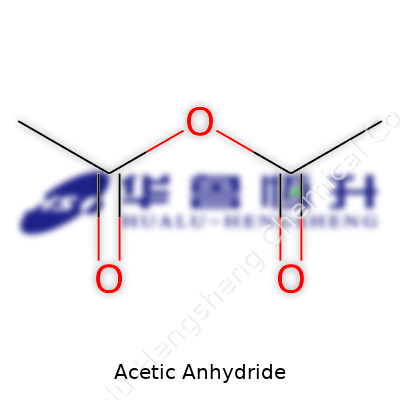
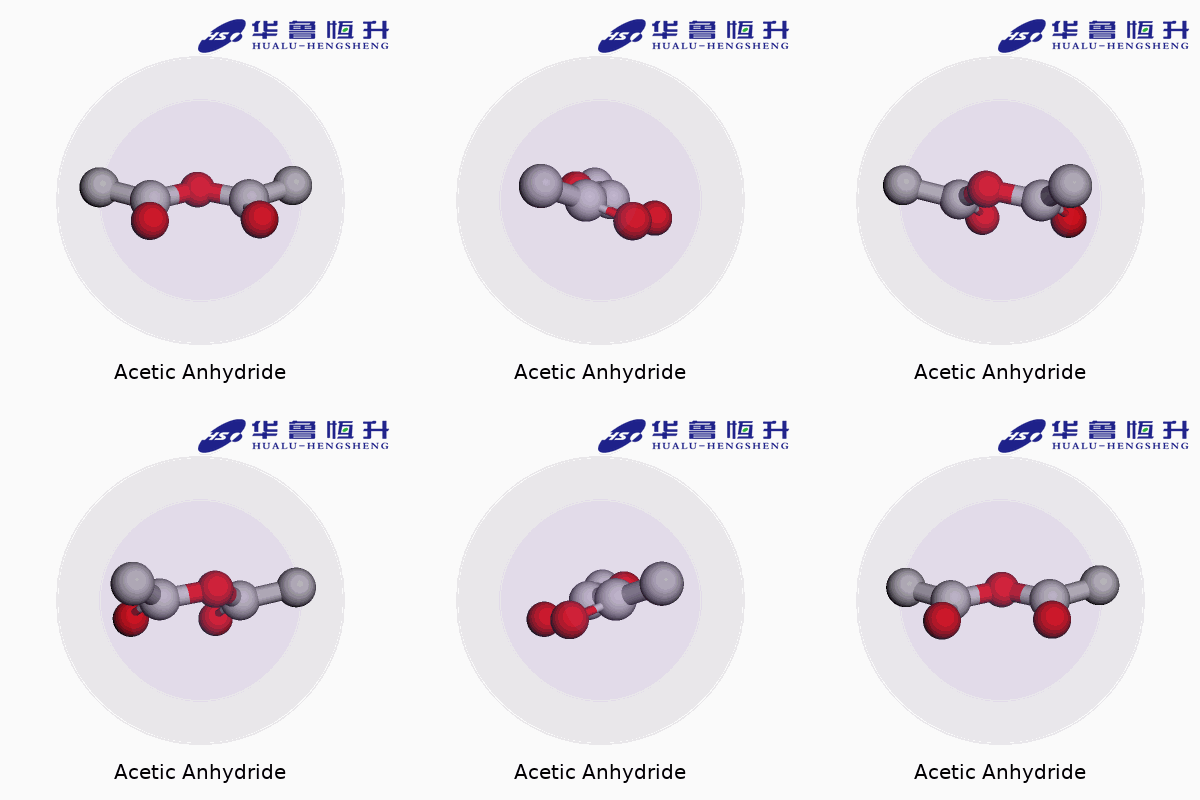
Acetic anhydride, formula C4H6O3, doesn’t show up because someone likes naming conventions. Two acetyl groups bridging an oxygen atom, stripping away water from two acetic acids, make it unique. On manufacturing days filled with raw glacial acetic acid and every vapor-scrubbing scenario imaginable, none of us forget the underlying structure driving every yield batch.
Behind that humble formula sits decades of development. Acetic anhydride on a molecular level has the right reactivity. Workers memorize C4H6O3 not to pass certification, but to handle the right ratio in acetylation runs, especially when precision cuts down waste. Tylenol, cellulose acetate plastics, food ingredients—none get made without understanding what these atoms do once the reaction begins.
The formula means more than a string of letters and numbers on a bag or drum. Down at the bottom of every reactor, someone has to control those ratios. Let it slip, and you lose yield, cause corrosion, or trigger hydration you never wanted. Forget to factor the hydroscopic nature, things get sticky fast. The formula drives every quality control step. C4H6O3 is real to us because it controls how we run our plants safely.
Managing production volume, especially with tighter environmental and safety rules every year, forces us back to the fundamentals. The formula delivers clues for incident prevention and waste handling. Acetic anhydride likes to react with water—control the atmosphere in a storage tank, or you get local heat and extra acid vapor, risking safety and compliance.
Over time, we’ve introduced closed systems, inline sensors, and periodic re-training to respect the reactivity born from that formula. Leak mitigation plans—where we account for every kilogram and search for stray molecules—reduce risks and keep the process humming. Waste recovery picks up unreacted product. Expensive? Sometimes. Necessary? Always, given how quickly a misjudged tank transfer can turn the day sour.
Those four carbons, six hydrogens, three oxygens remake industry processes. In textile plants, pharmaceutical reactors, and plastic film extrusion lines, we encounter colleagues who all point back to the simple elegance of C4H6O3. Through experience, we respect the discipline this formula demands and the benefits delivered to people in countless supply chains. Caring about formulas comes quietly—no slogans or press releases, just the daily reality of chemistry done right.
Producing acetic anhydride gives a close-up view of its volatility. This is not a chemical that forgives mistakes. When we talk about storage, theory only gets you so far. One minor misstep—like setting a drum in a humid spot—leaves you cleaning up corrosive fumes, dealing with strange odors, or worrying if someone’s breathing has gone raspy. Acetic anhydride bites hard with moisture, forming acetic acid and heat. Standard polyethylene tanks or leaky seals invite trouble. If remote sprinklers get too close or periodic cleaning introduces water, it doesn’t just corrode metal shelving or leave white stains. It creates risks to lab workers, maintenance crews, and neighbors down the hall.
Our site upgraded from old mild steel drums to high-grade stainless steel after watching the cost of unplanned maintenance balloon. Even new mild steel ends up pitted and weakened after a few seasons of stray condensation or poor weatherproofing. We noticed corrosion spreading underneath even “sealed” paint on valves and flanges after a wet monsoon stretch. Choosing stainless steel for drums, lines, and gasket materials like PTFE didn’t just reduce leaks—it killed off that sharp vinegar scent that creeps into loading bays and offices. Air quality matters when teams spend years in the same plant.
Even with the right drums, uncontrolled heat in a warehouse adds risk. Our southern facility once saw barrels sweating in late spring, venting small amounts of vapor even with pressure-relief. Now, keeping all storage below 30°C (86°F) gets respect, not just because the safety data sheets say so, but because uneven warehouse temperatures led to real alarm activations and sleepless nights running emergency protocols. You never forget the taste of panic when sensors catch an acetic spike at 3 a.m.
After a spill near a rack of solvents in year one, we learned that acetic anhydride doesn’t get a shared corner with open acids, bases, or oxidizers. We built caged, locked zones with marked signage—not just for compliance, but because even brief vapor mixing caused alarms and reports from employees with breathing problems. Insulation in one section failed after a misplaced forklift hit a drum’s valve; the repairs took weeks. Now, drums do not stack more than two high, and we stick to reinforced roll containers with grating trays underneath, not just for regulation but for local safety.
Good forced-air ventilation, ducted directly to scrubbing units, cut our on-site complaints. It takes more power and maintenance, but a clean-air guarantee keeps workers from developing coughs or headaches. Whenever a barrel transfers, our crews know to use goggles, gloves, and aprons. Accidents dropped after daily walkdowns became routine, because catching drips fast tricks the fire code—small stains never have the chance to fester, corrode, or off-gas.
Annual audits alone missed swelling gaskets and loose caps. Weekly hands-on inspections made the difference. By listening to experienced line workers—who spot a change in the tone of a hissing relief valve or a sticky drum ring—we reduced downtime and kept response kits stocked where they’re truly needed. Fewer mystery smells, fewer “surprise” leaks, and better trust with plant neighbors—these outcomes earned through vigilance, not shortcutting storage practices.
Putting acetic anhydride away in the right spot, with real monitoring and proper gear, costs less than the price of even a single incident report. In manufacturing, you don’t get to hit undo—the best storage system is the one you never regret trusting.
Manufacturers of chemicals field questions about acetic anhydride almost every week. Its reputation stems from more than its important place in our own plant. Any time a substance can cross into both legitimate industry and illicit production, scrutiny follows. Those of us who face the reality of audits, permits, and inventory controls know the reputation comes at a high cost, even for honest producers and customers.
Government regulation wraps around acetic anhydride in almost every country where we ship or purchase raw materials. In the United States and the European Union, requirements mean every shipment must be fully documented, tracked, and vetted against lists intended to prevent diversion for illegal drug manufacture. The paperwork is time-consuming. Regulators visit the plant for routine checks or surprise inspections. Resulting delays frustrate both sides. Ultimately, though, these controls shape not just security, but trust between chemical producers and clients.
Legitimate uses for acetic anhydride stretch across industries. Acetate fibers turn up in clothing and cigarette filters; aspirin production requires a steady supply; photographic film once depended on it. Chemical manufacturing doesn’t happen in a vacuum; each ton must be accounted for, because the same properties that make acetic anhydride valuable to aspirin manufacturers make it a target for those aiming to produce controlled substances.
From a manufacturer's perspective, this means digging into the business history of every customer. Questions about end-use aren’t just routine, they’re required. We ask about facilities, licenses, previous buying patterns, and company structures. Any evasion or lack of clarity can halt a sale before it starts. Regular customers know this is part of doing business with a responsible supplier.
Moving material across borders requires even finer paperwork, since authorities in different countries use different lists of controlled chemicals. Some places ban private possession altogether, restricting sales to only thoroughly vetted corporations or research institutions. We’ve lost customers over import rules, but breaking the law isn’t worth it. No reputable manufacturer takes risks with its license or staff safety.
Digital tracking has improved the situation. Technologies like shipment barcodes and chemical tracking databases limit the chance for disappearances. Electronic reporting requirements force database updates in real time. Cooperation with authorities means we can spot suspicious requests—say, an unusual order size or volume increase by a new customer—before the material ever leaves our shipping dock.
Professional training for staff makes a difference as well. At our facility, employees learn not just how to handle the chemical, but how to recognize subtle signs of unusual customer activity. Ongoing education improves diligence, preventing accidents on both the manufacturer and customer sides.
Purchasing acetic anhydride remains legal for properly registered businesses with clear, legitimate applications. A strong background check culture, updated channels for communication, and a willingness to decline orders help keep the chemical in the hands of those who use it conscientiously. We support these measures, even if they slow business, because the risks of diversion or abuse reach far beyond a single plant or transaction. Responsible handling protects workers, clients, and the community.