From an industrial perspective, caprolactam has always felt like a milestone in modern chemistry. Its initial synthesis more than a century ago marked a shift from reliance on natural sources for fibers and plastics toward engineered solutions that could be produced at scale. Early work focused on the ring-opening polymerization route, leading straight to polyamide 6 (nylon 6). Our production lines draw heavily not just from that vintage bench chemistry, but from the cumulative engineering advances that have since followed—a mix of pressure chemistry, catalysis, and rigorous process control. On the plant floor, the long arc from laboratory discovery to industrial pipeline reveals how innovation filters through, eventually delivering reliable, high-volume outputs year after year.
Caprolactam stands as the linchpin for nylon 6 fiber and resin manufacturers, with global demand tracking nearly hand in hand with urbanization and infrastructure buildouts. From experience, production volumes surge whenever textile or automotive markets experience upticks, as every kilo produced feeds downstream extruders, spinners, and molders. Our capacity investments reflect confidence in both existing and emerging sectors, ranging from carpet fibers to engineered plastics for electrical components.
On the shop floor and in quality control labs, caprolactam appears as white crystals or flakes. The compound melts just above room temperature and carries a characteristic ammoniacal odor, prompting robust ventilation in handling areas. Moisture sensitivity demands strictly controlled storage and handling; any water ingress leads to hydrolysis, impacting monomer quality and process yield. With a molecular formula of C6H11NO, caprolactam offers a balance between volatility and stability, though our operations always maintain tight thermal controls to minimize sublimation and decomposition.
Our outgoing drums and bulk containers list purity, water content, and iron concentration. As manufacturers, we track these parameters closely. Too much water disrupts polymerization; iron traces lead to off-white nylon and compromised end-use strength. Inspection teams use gas chromatography and titrimetric analysis to keep batch variability within narrow bands, reducing rework and waste. Detailed labeling reduces the risk of cross-contamination in storage yards and improves traceability, especially once cargos reach customer compounding shops or fiber lines.
We commit resources to the cyclohexanone oxime route. This process relies on the Beckmann rearrangement: cyclohexanone reacts with hydroxylamine to form the oxime, which then enters acid catalysis and ring expansion to yield caprolactam. Advanced configurations integrate waste heat recovery and by-product recycling, pressing every bit of energy value out of what remains a thermally demanding reaction. In practice, securing pure starting materials, especially high-grade cyclohexanone, cuts down on color bodies and undesirable side reactions. Teams monitor conversion and selectivity at every unit, making continuous tweaks for higher yields and lower effluent loads.
On the plant scale, caprolactam runs through chain-opening polymerizations any time we prepare nylon 6 resin. Side reactions compete: hydrolysis produces unwanted linear acids, and thermal decomposition reduces cumulative product yield. Modifying reaction parameters, such as temperature profile and catalyst choice, fine-tunes the polymer’s molecular weight distribution. Downstream, certain compounding customers push for blends: glass fiber, flame retardants, or impact modifiers. These add-ins require a clean caprolactam slate, since oligomer content or residual iron will alter melt flow and final performance in obvious ways.
Inside documentation and regulatory files, you’ll spot synonyms like azepanone, 2-oxohexamethyleneimine, and ε-caprolactam. Different markets sometimes standardize on trade codes, but for us as manufacturers, the chemical identity never changes. Consistency in nomenclature supports compliance, safety documentation, as well as logistics paperwork.
Daily operations focus on exposure risk and incident prevention. Caprolactam dust and vapor require localized extraction and careful filter maintenance. Worker training covers PPE, spill containment, and emergency eyewash drills, as liquid caprolactam irritates eyes and skin. Our protocols align with occupational exposure limits, adopting heightened controls around bulk loading and reactor charging stages. Trained shift leads verify all lockout-tagout routines—equipment isolation in all the right spots—before every batch start-up, cutting unplanned downtime and reducing near-miss accidents.
Nylon 6 resin plants represent the largest draw on caprolactam by far, spinning fiber grades for apparel and industrial carpet or casting engineering plastics for mechanical parts. The automotive sector seeks out nylon 6 for underhood components, housings, and clips, where a blend of lightweight toughness and chemical resistance outruns old-school metals. In films and laminates, the clarity and gas barrier properties of oriented nylon reflect the stakes of food safety and shelf life. R&D teams in electronics and medical devices occasionally tap caprolactam as an intermediate for tailored, high-spec polymers—further proof that robust process chemistry can branch into new technical landscapes.
Production labs devote hours to process improvements—catalyst tweaks, energy integration, by-product valorization. Every incremental yield gain lowers cost per tonne and shrinks environmental impact. Research also covers new caprolactam derivatives, tailoring chain architecture for heat distortion performance or chemical resistance. These advances echo outward, supporting higher-value applications and, crucially, opening the door to sustainability projects: bio-based raw materials, microplastic tracking, and next-generation recycling.
As manufacturer, workplace exposure and effluent controls sit front and center. Toxicology data points to moderate acute toxicity, irritant behavior with skin and eyes, and no dependable evidence for long-term carcinogenicity at environmental levels. Decades of in-house and independent studies allow us to refine handling standards and wastewater treatment protocols. Regulatory agencies expect robust disclosure and a track record of compliance, so continuous monitoring and upgrades in emissions abatement always take priority.
Forward-looking plans cover capacity expansion in response to global fiber and engineering plastic demand, yet transition efforts loom large. Sustainability now drives capital spending: new projects prioritize carbon footprint reductions, circular economy links, and sourcing from renewable feedstocks. Market expectations shift toward transparent origin tracing, tighter impurity targets, and aggressive lifecycle management. Our engineers absorb these expectations, exploring biocatalysis, new reactor designs, and real-time analytics, aiming for both operational stability and advanced product grades. As resource streams tighten and chemical regulation stiffens, only manufacturers with enduring tech capabilities and flexibility will thrive, keeping caprolactam relevant in a future shaped by responsible chemistry and high-performance product needs.
At our production site, caprolactam is not a fancy chemical left to gather dust in the storeroom. Every week, tanker trucks line up for bulk deliveries, because this molecule moves quickly from reactor to real life. Customers keep asking about caprolactam because nylon 6 keeps growing in popularity. Most of the world’s caprolactam goes straight into making polyamide 6, which you see labeled as nylon 6 on packaging and textile tags.
Nylon 6 fibers stretch from clothing and carpets to industrial yarns. Textile manufacturers count on the consistency of polymer chains, and there’s no room for mishaps. The chances are high that most polyamide-based thread in socks, sportswear, or luggage started with caprolactam. Our operators stay in close touch with fiber producers about changing viscosity requirements, because fiber spinners face tight schedules and exacting end users.
It doesn’t end with fibers. Molded plastics using polyamide 6 from caprolactam cross through the doors of countless factories: cars, electronics, tools, cable ties, appliance housings, and gear wheels depend on this. Mechanical strength and heat resistance keep it valuable in high-stress components. Cars now contain much more nylon than before, with intake manifolds, under-the-hood connectors, and fluid reservoirs made from polyamide 6 to cut weight and meet emissions rules. We’ve seen firsthand that switching from metal or less stable plastics to nylon components helps OEMs shrink waste and recall costs.
Electronics manufacturers come to us looking for repeatable resin batches. Lower warpage and stability in high-temperature environments count for a lot. Wire insulators, terminal blocks, and electrical housings need the right melt viscosity and zero contamination. We advise technical teams about how best to balance additives or reinforcement fibers with polyamide 6, so molded goods meet both regulatory compliance and reliability standards.
What often surprises new buyers is how much value chain complexity hides behind every kilogram of caprolactam. It’s not just about what happens in our reactor. Wastewater must be tightly treated for ammonium and by-products before discharge, and closed-loop systems offer better water use and fewer emissions. Large consumers increasingly ask about carbon footprint and lifecycle assessments of caprolactam-derived products, especially in the EU and North America.
Our R&D team fields more questions about biobased feedstocks or recycling. Nobody expects the market to shift overnight, but pressure is growing to improve raw material efficiency and close the loop for more nylon packaging and fiber by recycling. Downstream partners experiment with depolymerizing nylon back to caprolactam as an alternative to mechanical reprocessing. These initiatives run up against technical hurdles and scale requirements, but the appetite from brands and regulators keeps growing.
Every week, our technical and commercial staff talk directly with both converters and brand owners looking for more supply stability, corrosion-resistant machinery, and lower emissions per ton of product. Real-time transparency in raw material storage, batch tracking, and logistics speed matter as much as chemical purity. We keep hearing that end users want to know more about origin and safety claims.
Caprolactam may look like just another commodity to some, but from the inside, its reach extends far past the gates of the chemical plant. The pressure to manage risk, ensure supply, and reduce environmental impact keeps driving changes not just in how we run our reactors, but in how we collaborate across the supply chain.
In the world of chemical manufacturing, clear knowledge makes a real difference. Caprolactam, with the chemical formula C6H11NO, plays a pivotal role in nylon production and other applications that feed daily necessity. Our teams handle caprolactam production day in and day out, and we see why this formula means more than a sequence of letters and numbers. It shapes the process and determines the final quality of a material people use worldwide.
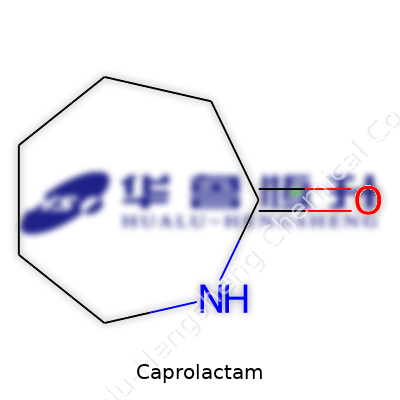
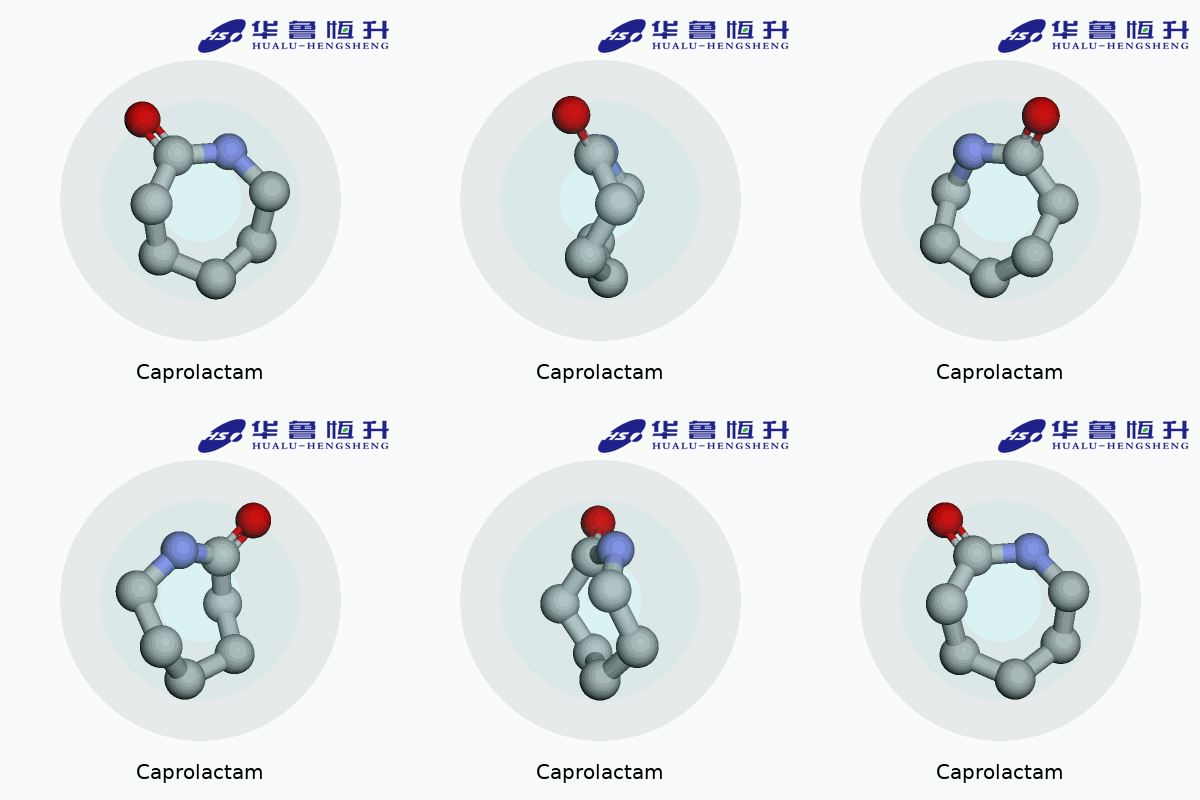
Every molecule tells a story. Caprolactam’s combination of carbon, hydrogen, nitrogen, and oxygen forms a seven-membered ring structure. This arrangement gives the compound its reactivity and versatility, making it one of the best building blocks in the textile and engineering industry.
Our chemists pay close attention to controlling the purity of caprolactam at each production stage. Even a small level of residual monomer or impurities from older processes can weaken the mechanical strength of nylon 6 fibers or compromise the clarity of engineering plastics. Decades of experience have taught us that consistent attention to the chemical structure translates directly to market trust.
Most people link caprolactam with nylon 6, and for good reason. More than four million tons of caprolactam leave plants each year to make products like textiles, carpets, and car parts. The precise C6H11NO formula lets us control polymerization reactions. Incomplete conversion or formula deviations lead to defects, and anyone in manufacturing knows how defects cascade down the supply chain.
We always keep in mind the future. Alternative uses, such as specialty resins or coatings, emerge from ongoing investment in research and development. Familiarity with the exact structure of caprolactam guides chemists when developing new reactions or integrating sustainable feedstocks. Confidence in the molecular formula lets us test new approaches without risking product failure.
A reliable process depends on much more than just knowing a formula. Handling hazardous chemicals at high temperatures, vigilance about byproduct removal, and continuous monitoring become part of daily operations. Waste management and emissions reduction, especially of ammonium sulfate and volatile organic compounds, have grown into a large piece of our responsibility.
Maintaining quality and consistency goes beyond metric tons and output numbers. Each batch can reveal new surprises if a feedstock varies or a process control drifts. Real humility comes from troubleshooting in production, knowing that every atom of nitrogen and oxygen must count for something measurable at the end of the line.
Years of refining caprolactam production pushed us toward greener chemistry. Cleaner catalysts, improved recycling, and tighter monitoring shapes our daily choices. Making caprolactam responsibly means paying constant attention to what goes in, what comes out, and the expectations our customers and communities carry.
At the heart of our work, that formula—C6H11NO—guides choices, fuels innovation, and reminds us of the impact one molecule can have long beyond factory doors.
Caprolactam keeps our teams busy. After decades of producing this chemical, we’ve come to appreciate its importance not only for synthetic fiber but for engineering plastics used across cars, electronics, and countless everyday goods.
We start with cyclohexanone—made by oxidizing cyclohexane. This step sets the foundation, since impurity levels often decide our margins and our production yield. Once cyclohexanone is ready and tested, we react it with hydroxylamine sulfate. Our reactors never rest; temperature, pressure, and agitation play a central role. If a feed stream loses consistency, conversion drops, and downstream headaches multiply.
From this reaction, we get cyclohexanone oxime, a critical intermediate. This isn’t a “simple” conversion, as throughput and selectivity depend heavily on both the catalyst and reaction kinetics. Our engineers scrutinize every batch for trace impurities. Even slight deviations call for immediate process adjustments.
Next, we perform the Beckmann rearrangement. Using concentrated sulfuric acid, we transform oxime into caprolactam. Temperature and acid concentration shape not just conversion but also byproduct formation. Energy flows carefully managed: too much heat leads to unwanted polymerization; too little, and conversion suffers. These are real-world details that separate consistent production from waste.
Sulfuric acid use creates significant ammonium sulfate byproduct—a valuable fertilizer, if managed properly. Efficient recovery of ammonium sulfate isn’t a side project; it’s a core contributor to both plant profitability and regulatory compliance. We tightly control emissions. Modern plants often recycle process water and use closed systems that cut down on fugitive losses.
We don’t just watch stacks and effluent pipes for compliance. Unchecked waste leads to extra costs; managing byproducts with value in mind pays dividends. Regulatory scrutiny is real, so investing in upgraded acid recovery, water recycling, and waste heat recovery comes from lived experience, not cost-saving theory.
End users, including nylon 6 fiber mills and compounders, expect consistent melt and purity. Each drum and railcar sent from our plant carries the results of a tightly-controlled process, from front-end analytics to careful packaging. Sampling and real-time monitoring help us avoid off-spec runs. Our teams know how much can go wrong in storage and transit if caprolactam contacts moisture or is exposed to oxidizing conditions. Every slip can undermine a customer’s production and our own credibility.
Plenty of public attention goes to sustainability and carbon footprint. We have decades invested in improving reaction yields and heat integration. Lowering utility consumption, upgrading catalysts, and managing process water minimize not only costs but also the plant’s environmental impact. Newer processes use alternative routes—like direct ammoximation—which trim emissions and simplify recovery.
Caprolactam leaves our plant as a result of careful engineering, round-the-clock attention, and continuous investment in both process and people. Production done right means caprolactam feedstocks that run smoothly in customer facilities and cleaner operations at home.
Anyone in our industry recognizes caprolactam by its sharp odor once a reactor hatch opens. As a manufacturer, our teams work hands-on with this building block every shift. Reading reports on possible health risks, the questions from outside our plant are justified. We see those same safety data and treat them with the seriousness they deserve. Watching a fresh batch cool or the process lines flush reminds us of the chemical’s place in polyamide 6 (nylon) production, which impacts textiles, automotive parts, and many consumer goods. It’s an essential raw material. But “essential” doesn’t mean “without risk.”
The main source of concern focuses on exposure. Pure caprolactam can irritate the eyes and respiratory system if the air grows heavy with its vapor. The data collected over years show that high concentrations, especially in a closed workspace with little ventilation, may lead to headaches, nausea, and sore throats. Based on this experience, we built our entire safety protocol system around reducing exposure. Tight process enclosures, active extractors, and air monitoring are standard. Our staff receive training not just to memorize a rulebook, but to truly understand why a dust mask isn’t enough. Full-face respirators and chemical-resistant gloves become as natural as their blue uniforms.
The skin contact risk matters too. In cleaning up a spill, improper gear once led to visible irritation for a colleague. That one event shaped better response procedures across our plant. Showers, barriers, visible warning icons—all push the lesson home. People ask whether caprolactam causes cancer. Here, honesty counts. After decades of study, research hasn’t established a definite cancer link for humans. Regulatory agencies such as the International Agency for Research on Cancer do not list caprolactam as a confirmed human carcinogen. Yet, any fried or unknown result in animal data keeps us vigilant, raising respect for exposure limits.
Criticism often claims that downstream users—workers in textile spinning warehouses, recyclers, or end-customers using finished nylon—face hidden dangers. Finished nylon contains almost no free caprolactam after polymerization. That said, unless our production line captures and recycles nearly all unreacted material, trace emissions escape during processing. That risk drives investments in modern emission scrubbers and closed geometric designs. We work with regulators on routine checks for leaks and ambient concentrations, promoting transparent measurements rather than hiding behind a curtain of jargon.
Education for our employees and customers builds trust. We show people how proper ventilation and personal protective equipment reduce risk to negligible amounts. Automation helps, but we still put most value in training eyes and instincts. We share the message that chemical safety grows from both technology and an honest safety culture. Addressing questions openly, updating handling protocols with advancing science, and working alongside labor representatives keeps everyone alert to shifting realities.
Debate around chemicals often slides into extremes. Caprolactam deserves its place in sustainable nylon supply but needs respect, vigilance, and clear communication. Crossing from the lab to the loading dock, the health story lies less in theoretical hazards than in the small, daily choices made by trained hands under real-world conditions. That’s where the true measure of safety stands.
In the chemical landscape, caprolactam stands out for its role in modern manufacturing—directly from our reactors to the production lines that power real-world goods. After decades in this sector, one pattern never changes: nylon 6 sits at the center of most caprolactam demand. After we ship to polymerization plants, nearly all that caprolactam becomes nylon 6. The vertical integration from our synthesis right through to finished fiber draws a straight line across several critical industries.
Years of collaboration with downstream partners highlight just how much caprolactam supports everyday clothing and technical yarns. The majority of our output heads straight toward producers who spin it into nylon 6 fibers. These fibers dominate athleticwear and hosiery because they bring reliable stretch and toughness. Fashion isn’t the only sector driven by nylon 6—heavy-duty carpets, automotive mats, and industrial fabrics have long counted on this polymer for practical reasons. Unstable prices in the textile sector can ripple back to our order book overnight.
Industry rarely stands still. Tool handles, automotive under-the-hood components, and electrical housings all lean into nylon 6’s mechanical strength and thermal resistance. Our partners in plastics manufacturing keep coming back for caprolactam because nylon 6 delivers a resilient base resin for molded goods. Fluctuations in automotive and consumer electronics demand translate immediately into our production schedules. Sustainable manufacturing pressures push everyone to maximize material performance, squeeze out waste, and upgrade recycling streams.
Not many realize just how much caprolactam impacts food packaging, but it regularly lands in the supply chains of film producers. Nylon 6 films give food products an extra layer of safety through effective moisture and gas barriers. Bounce-back strength lets film survive harsh production steps, so food doesn’t lose shelf life. Transparent packaging also relies on this polymer for clarity and processing speed. The competitive pace in packaging never lets up, forcing us to keep supply consistent and quality high.
Automotive companies turn to us for caprolactam that feeds into multiple nylon 6 uses. You’ll find it in cable insulation, fuel tanks, and intake manifolds. The demands get tighter each year as manufacturers chase lower vehicle weights, tighter emissions, and longer part lifespans. Every time a new vehicle platform releases, it spurs new discussions with our R&D teams about grades, purity, and performance improvements.
One big pressure faces all of us in the caprolactam production cycle: feedstock costs tie caprolactam pricing closely to globally traded commodities. Volatility in the energy sector and tightening supply regulations put long-term planning at risk, impacting every downstream player. Regulatory changes on emissions, plus calls for more circular materials, push us to reexamine every ounce of process efficiency. Our teams consistently invest in process upgrades and waste minimization, working hand-in-hand with fiber and plastics producers to develop closed-loop models—because the end-user now demands sustainability alongside value.
Looking back from the factory floor, caprolactam rarely makes headlines, but the products it enables define day-to-day life—and the pressure is on all of us in the supply chain to keep pace with changing expectations, while ensuring quality and safety never falter.